


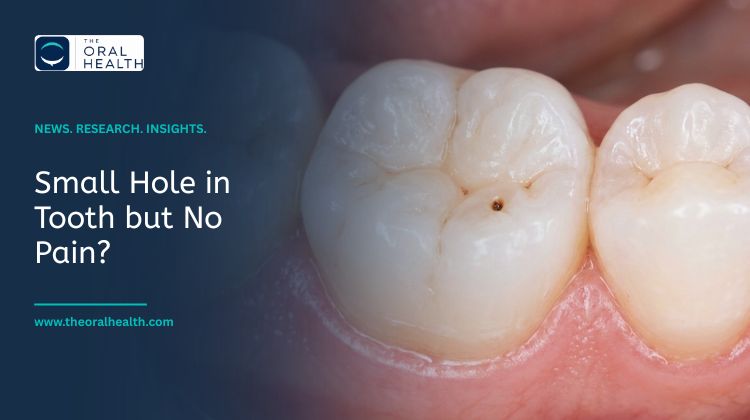
A small hole in your tooth can look harmless, especially if it doesn’t hurt at all. That’s exactly why it’s easy to put off a dental visit. But a painless hole still means something has changed in your tooth structure, and no pain simply means the damage hasn’t reached the nerve yet.
Here’s what matters: a cavity can grow for a long time before it ever causes discomfort. A small hole in a tooth with no pain still needs a dentist’s evaluation, because looks and symptoms alone can’t tell you how deep the damage goes. The outer layers of your teeth don’t have many nerve endings, so decay can spread quietly under the surface.
If you’ve found a spot like this, you don’t need to panic. You do need to get it looked at soon, and this is a good time to get that scheduled rather than wait for a reminder from a toothache.
Key Takeaways
- A painless hole can still be active decay, and pain is not a reliable warning sign for how serious it is.
- Early treatment is usually simpler and less costly than waiting until the tooth hurts or gets infected.
- A dental exam and X-rays are the only reliable way to know what’s causing the hole and how to treat it.
What Does a Painless Hole Actually Mean?
A painless hole usually means decay or wear has broken through your enamel, but it hasn’t yet reached the nerve inside your tooth. That’s actually common. Teeth can lose structure well before you feel anything.
Can a Cavity Develop Without Tooth Pain?
Yes, and it happens often. Cavities form in stages, starting with mineral loss in the enamel and only causing pain once they reach the dentin or pulp, according to Cleveland Clinic. A very small cavity limited to the enamel often causes no sensation at all.
Why No Pain Does Not Reveal the Depth of Damage
Pain depends on how close decay sits to your nerve, not how long it’s been there. A hole can sit quietly for months while bacteria keep working under the surface. The only way to know how far it’s spread is through a professional exam, since appearance alone can’t confirm the cause or depth.
How a Visible Hole Differs from Early Mineral Loss
Early mineral loss shows up as a chalky white or dull spot on the enamel, and it can sometimes be reversed. Once a true hole or pit has formed, the enamel structure is gone and won’t rebuild itself. The Cleveland Clinic notes that a cavity cannot heal once it forms, though very early demineralization sometimes can be managed with fluoride.
What Can Cause a Small Hole or Pit?
Most small holes come from tooth decay, but not all of them do. Wear, grinding, old fillings, and gum recession can all create a pit or notch that looks similar to a cavity.
Tooth Decay from Plaque and Bacteria
Decay starts when plaque bacteria feed on sugars and starches, producing acid that wears down enamel over time, as explained by Mayo Clinic. Left in place long enough, that acid eats a literal hole into the tooth surface. This process can take months, which is why plaque control makes such a difference.
Enamel Erosion, Tooth Wear, and Bruxism
Grinding, also called bruxism, wears down chewing surfaces and can create small notches near the gumline. Frequent exposure to acidic foods, reflux, or vomiting can also erode enamel without any bacteria involved. These spots can look like decay but need a different treatment approach.
Chips, Damaged Fillings, and Exposed Roots
A chip from biting something hard, or decay forming at the edge of an old filling, can create a new pit in a tooth that was previously fine. Receding gums expose the root surface, which has no enamel covering and wears down faster once plaque reaches it.
What a Hole on the Side or Back of a Tooth May Indicate
A hole on the side of a tooth often starts where two teeth touch, an area that’s hard to clean with a toothbrush alone. Holes in back teeth are especially common because molars have deep grooves that trap food and plaque, a risk factor noted by Mayo Clinic.
How Soon Should You See a Dentist?
Book an appointment within the next week or two rather than waiting for the tooth to start hurting. Early decay is far easier and cheaper to treat than decay that’s had months to spread.
Arrange an Appointment Rather Than Waiting for Pain
Waiting for pain means waiting for the decay to reach your nerve, which isn’t a good benchmark for timing care. A dentist can usually treat a small, painless cavity in one visit with a simple filling.
How Untreated Damage Can Lead to Infection or Tooth Loss
Left alone, a small cavity grows deeper and can eventually infect the pulp inside the tooth, leading to a painful dental abscess, according to Medical News Today. Untreated infection and advanced decay can ultimately cause tooth loss.
Which Symptoms Need Urgent Dental Care?
Call your dentist sooner if you notice new sensitivity to hot, cold, or sweets, pain when biting down, or a bad taste that won’t go away. These signs suggest the decay may be getting closer to the nerve.
When Swelling or Breathing Trouble Requires Emergency Care
Facial swelling, a fever, or trouble breathing or swallowing are signs of a spreading infection and need emergency attention right away. The Cleveland Clinic lists a dental abscess with facial swelling as a true dental emergency that shouldn’t wait for a regular appointment.
How Will a Dentist Assess the Hole?
A dentist figures out what’s really going on through a hands-on exam combined with X-rays, not by looking at the hole alone. This combination shows both the surface and what’s happening underneath.
What a Dental Examination Can Reveal
During a visual and physical exam, your dentist checks for soft spots, discoloration, and texture changes using a small mirror and dental tools, a process described by Medical News Today. This tells them whether the defect is active decay, erosion, or an old worn area.
When Dental X-Rays and Pulp Tests May Be Needed
X-rays show decay that’s hiding between teeth or under old fillings, areas a visual exam can miss entirely. If there’s any concern the decay is near the nerve, your dentist may also use a cold or electric pulp test to check how the tooth responds.
Which Treatments Can Repair or Protect the Tooth?
Treatment depends on how far the damage has spread, not on how big the hole looks from the outside. Options range from simple fluoride applications to a root canal, depending on what the exam finds.
When Fluoride Can Help Before a Physical Cavity Forms
If decay is caught at the demineralization stage, before a true hole has formed, fluoride treatments can help remineralize the enamel, as noted by Cleveland Clinic. This only works before the enamel surface has actually broken down.
Dental Fillings and Bonding for Repairable Defects
Once a true hole exists, a filling is the standard fix. Your dentist removes the decayed material and fills the space with composite resin or another durable material, restoring the tooth’s shape and function.
When an Inlay, Onlay, or Dental Crown Is Needed
If the damage is too large for a filling to support, a crown covers and protects the whole tooth. Crowns are also common after a root canal, since the tooth structure left behind is often weaker.
When Root Canal Treatment or Extraction Becomes Necessary
If decay has reached the pulp, where the nerves and blood vessels sit, root canal treatment removes the infected tissue and seals the tooth, as outlined by NewMouth. When damage is too extensive to save the tooth, extraction followed by a replacement like an implant or bridge may be the better long-term option.
What Can You Safely Do Before Your Appointment?
You can keep the area clean and comfortable while you wait, but nothing you do at home will repair missing tooth structure. Think of this stretch as damage control, not treatment.
Keep the Area Clean Without Poking the Hole
Brush gently and floss around the area to clear out trapped food, but resist poking at the hole with your finger or a toothpick. Prodding at it can chip away more structure or irritate the area further.
Avoid Hard Foods and Frequent Sugar Exposure
Skip hard or sticky foods on that side of your mouth, and cut back on frequent sugary snacks or drinks, since sugar feeds the bacteria that are already causing the problem. Sipping sugary drinks throughout the day keeps acid in constant contact with the tooth.
Why Home Remedies Cannot Rebuild Missing Tooth Structure
Once enamel has broken down into an actual hole, nothing sold over the counter can rebuild it. A cavity won’t go away on its own once it’s formed, so the goal before your visit is simply to protect the tooth, not fix it.
How Can You Reduce the Risk of More Holes?
Consistent daily habits prevent most new cavities before they start. Small, steady routines matter more here than any single product.
Maintain Daily Fluoride and Interdental Cleaning Habits
Brush twice a day with fluoride toothpaste and floss once a day to clear plaque from between your teeth, where a toothbrush can’t reach. Fluoride helps strengthen enamel and can reverse very early mineral loss before a hole ever forms.
Address Acid Exposure, Dry Mouth, and Grinding
Cut back on sipping soda or acidic drinks throughout the day, since this creates a near-constant acid bath over your teeth, according to Mayo Clinic. If you grind your teeth at night or deal with chronic dry mouth, talk to your dentist about a mouthguard or other options.
Schedule Checkups Based on Your Dental Risk
Most people do well with a dental checkup every six months, though your dentist may suggest more frequent visits if you’re prone to cavities or have exposed root surfaces. Regular checkups catch small, painless problems before they turn into bigger ones.
Get the Tooth Checked Before Symptoms Decide for You
A painless hole gives you a window to act while treatment is still simple. Once pain, swelling, or infection show up, your options narrow and the fix usually gets more involved.
Getting a hole checked while it’s still small and quiet puts you in control of the outcome. A dentist can confirm what’s actually happening in the tooth and protect both your oral health and your long-term comfort.
Frequently Asked Questions
How long can I leave a painless hole in my tooth untreated?
There’s no safe length of time to leave it, since decay keeps progressing even without pain. The sooner it’s checked, the more likely it can be treated with a simple filling instead of something more involved.
Can I stop a cavity from getting worse at home?
You can slow early, pre-cavity mineral loss with fluoride and good oral hygiene, but once an actual hole has formed, it won’t close up on its own. Home care can protect the area from getting worse while you wait for your appointment, but it can’t replace missing tooth structure.
Does a black hole in a tooth always mean decay?
Not always, but it’s the most common cause. Dark staining can also come from old fillings, certain foods, or surface stains, so a dentist needs to look closely to tell the difference.
What if I can feel a hole with my tongue but cannot see it?
That’s still worth getting checked, since many cavities form between teeth or on back molars where they’re hard to see directly. Your dentist can use X-rays to find spots that aren’t visible during a simple look in the mirror.
Can a large hole still be painless?
Yes, size alone doesn’t predict pain. A hole can be fairly large and still stay painless if it hasn’t reached the nerve, which is exactly why size shouldn’t be used to judge how urgent the problem is.


Leave a Reply